
Learning Academy · Reading
Raising a child who loves reading
Teaching a child to read is a school project. Raising a child who reads by choice is a home project — and it's built from rituals, access, and identity, not assignments.
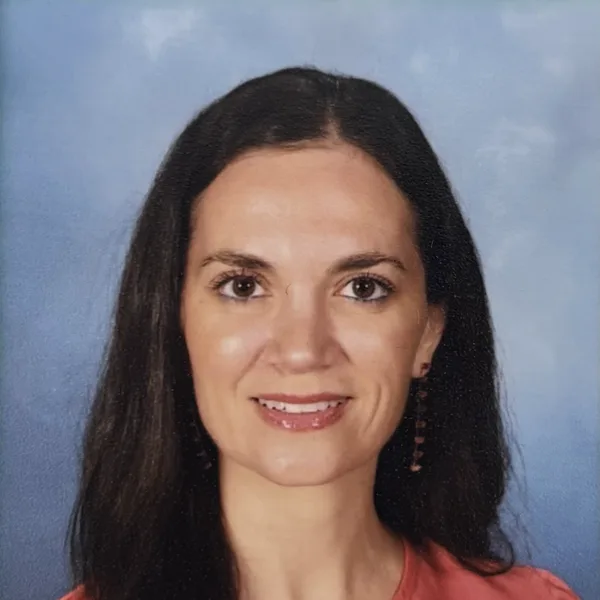
Written by Andreea Schwimmer, M.A. — credentialed elementary educator, 13+ years in elementary education · Reviewed by South Bay Peak Learning
Last updated July 11, 2026 · 8-minute read · This guide is written to support families and complements — never replaces — communication with your child's classroom teacher.
In this guide you'll learn
- The six home habits that grow readers-by-choice
- Why the read-aloud should never retire — even after they read alone
- How to protect choice, build rituals, and model reading that sticks
- The one case where love needs a skills check first
Every teacher knows the two kinds of readers: children who can read and children who do. The first is a skills outcome; the second is a love outcome — and love is grown at home, through a handful of unglamorous habits that work better than any incentive program ever devised. This guide is those habits.
1. Never stop the read-aloud
The single biggest mistake loving families make: retiring the bedtime read-aloud the moment a child reads independently. Keep it going — through 2nd grade, through 5th, honestly as long as they'll let you. The read-aloud delivers stories above their own reading level (where the best stuff lives), builds vocabulary at conversation's pace, and hard-wires the association between books, comfort, and connection. That association is the love. Chapter books read a-chapter-a-night become family events; a cliffhanger shared is a bond.
2. Flood the environment
Children read what's within arm's reach. The book-loving households I see share a look: books in every room, a basket by the couch, a shelf the child owns, reading material in the car and the bathroom and the beach bag. None of it needs to be expensive — the library makes flooding free, and the ritual of the weekly library haul (bag, card, their own choices, no vetoes on "too easy") is itself a love-builder. Used-book stores and little free libraries fill in the owning-books part, which matters too: a child's own shelf is identity infrastructure.
3. Protect choice like it's sacred
The fastest way to kill reading love is to curate it. Graphic novels count. Joke books count. The same dog series for the ninth time counts. Books "below their level" count — pleasure reading should be easy; that's what makes it pleasure. Your job is supply and enthusiasm, not quality control. (School will assign the vegetables; home is where reading gets to be dessert.) The one nudge that works: strewing — leaving a strategically chosen book lying around without comment. The conversion rate on a well-strewn book about their current obsession is remarkable.
4. Model it — visibly
Children build identities from what the adults they love visibly do. A child who sees parents reading actual books — and hears them talk about books at dinner, laugh at a page, complain about a character — learns that reading is what our kind of people do. A child who only ever sees adults on phones learns that too. You don't need an hour; you need to be caught reading regularly, and to occasionally say "listen to this part" out loud. Family reading time — twenty minutes, everyone with their own book, cocoa optional — turns modeling into ritual.
5. Talk books like a fellow reader, not a quizzer
"What was the main idea?" is school. "Wait, he did WHAT? Read me that part" is love. Ask real-reader questions: which character would you want as a friend? Did the ending surprise you? Should we get the sequel? Connect books to life ("this is like that hike we did") and life to books ("there's a book about a kid who did exactly this"). Comprehension grows in these conversations as a side effect — which is the best way for it to grow.
6. Build rituals and streaks
- A fixed daily reading time, attached to an existing anchor (after dinner, before screens, at bedtime) — routine outperforms enthusiasm
- The library trip as a standing weekly event with its own small traditions
- A visible streak: a simple paper reading log the child marks themselves, celebrated at milestones — ownership of the checkmark matters
- Series momentum: when a book lands, have the next one ready THAT DAY — momentum is fragile and precious
- Special-occasion reading: flashlight tents, rainy-day reading forts, one-more-chapter privileges — small theater, big memory
When love needs a skills check first
One honest caveat: no amount of ritual makes a child love an activity that's physically exhausting for them. If your child resists despite a book-rich, choice-rich, read-aloud-rich home, check the machinery — laborious decoding masquerades as "doesn't like reading" constantly, and it's diagnosable in one session and fixable in weeks. My reluctant readers guide covers the telling-apart, and reading tutoring covers the fixing. Skills make reading possible; these habits make it loved; children need both, in that order.
Play the long game. The payoff — walking past their room years from now and seeing a teenager voluntarily lost in a book — is worth every chapter of the nine-hundred-night read-aloud that built it.
Suggested next reading
- Helping Reluctant Readers — the rescue plan when love has gone missing
- Choosing Books Kids Can Actually Read — stocking the pond, done right
- Raising Kids Who Love Learning — the same project, one ring wider
Questions parents ask
I'm not a big reader myself. Can I still raise one?
Absolutely — the modeling that matters is visible enjoyment of any reading: recipes, sports coverage, manuals, audiobooks in the car. Children copy the relationship, not the page count. A parent who reads aloud with warmth ten minutes a night outweighs a silent house full of novels.
When my child can finally read alone, should read-alouds stop?
Please keep them — this is the most common well-meaning mistake in this guide. Read-alouds feed vocabulary and story-love years above a child's own decoding level, and they keep reading tied to closeness. Families who read aloud into middle school are giving a compounding gift.
Is listening to audiobooks cheating?
It's reading's close cousin, and a wonderful one: audiobooks build vocabulary, comprehension, and book-love, and they let a child 'read' above their decoding level. Pair them with print (following along, or the print copy nearby) and they actively support the skill side too.
My child only rereads the same series endlessly. Intervene?
Celebrate it — rereading builds fluency, and series-love IS reading-love. Strew adjacent options casually (same author, similar world) and let curiosity do the ladder-climbing. The child who owns a favorite series has the identity; range arrives later on its own.
If love has curdled into "I hate reading," start with what that sentence usually means — then come back here for the long game.
Reading tutoring built on this kind of diagnosis is available in-home throughout the South Bay — Torrance, the beach cities and the Palos Verdes Peninsula — or online, wherever your family is.