
Learning Academy · Reading
Choosing books kids will actually finish
The right book at the right moment makes readers; the wrong stack makes book-avoiders. Here's how teachers and librarians actually match children to books.
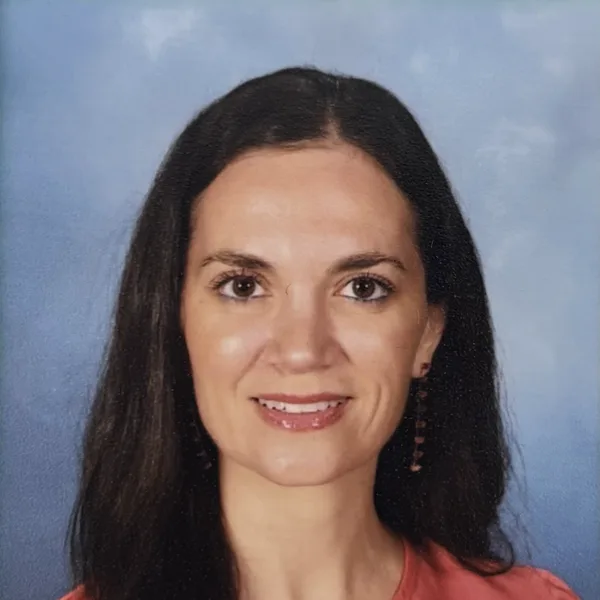
Written by Andreea Schwimmer, M.A. — credentialed elementary educator, 13+ years in elementary education · Reviewed by South Bay Peak Learning
Last updated July 11, 2026 · 8-minute read · This guide is written to support families and complements — never replaces — communication with your child's classroom teacher.
In this guide you'll learn
- The three-way match: level, interest, and moment
- Reading levels demystified — what letters and numbers do and don't mean
- The five-finger check and other kid-usable fit tests
- What to reach for at each age band, and how to keep a series pipeline flowing
Standing in a library with a child who "can't find anything" is a universal parenting experience — and it's usually a matching problem, not a child problem. Teachers and librarians match children to books along three axes at once; once you see the axes, the shelves get much friendlier.
The three-way match
Level: can they read it comfortably? Interest: do they want to? Moment: is this the right book for right now — a cozy reread after a hard week, a stretch when confidence is high, a short win to break a slump? Most failed book choices nail one axis and miss the others: the perfectly-leveled book about nothing they care about; the beloved topic in a text too heavy to enjoy. Aim for two-and-a-half out of three.
Level, demystified
School leveling systems (letters, numbers, grade-bands) estimate text difficulty for instruction. For home reading, you need something simpler and kinder:
And the rule parents resist but teachers swear by: for pleasure reading, easy is correct. Comfortable books build fluency, stamina, and identity; the stretch happens at school and in your read-alouds. A child devouring "too easy" series books is not slacking — they're logging the miles that make harder books possible.
What to reach for, by age band
| Stage | Sweet spots | Selection notes |
|---|---|---|
| TK–K | Picture books, rhymes, alphabet & concept books, wordless books | YOU read these; their 'reading' is joining in, retelling, predicting |
| K–1st | Decodable readers + patterned easy readers + picture books (read-aloud) | Their own books should match the phonics they know — success on ~19 of 20 words |
| 2nd–3rd | Early chapter series, graphic novels, funny anything, nonfiction on obsessions | Series are gold: familiar characters slash the cost of starting. Keep book two ready |
| 4th–5th | Middle-grade novels, thicker graphic novels, biographies, almanacs, how-to | Interest carries difficulty now; let obsessions lead and strew adjacent titles |
The selection habits that raise readers
- Choice is sacred: they pick, you supply — vetoing 'too easy' or 'another dog book' costs more than it protects
- The weekly library haul, big and unfiltered — quantity creates the odds a hook is in the bag
- Strewing: leave one well-aimed book lying around, no comment; the conversion rate is remarkable
- A generous quit rule: two chapters and you're free — low-risk starting means more starting
- Ask the professionals: librarians and teachers, given one sentence about your child, beat every algorithm
Suggested next reading
- Raising a Child Who Loves Reading — selection is one habit of six — here are the rest
- Helping Reluctant Readers — when the problem is bigger than the bookshelf
- Improving Reading Fluency — what all those easy-book miles are building
Questions parents ask
What do the reading levels on books actually mean?
They're rough difficulty estimates using different scales (letters, numbers, grade bands) — useful for teachers matching instruction, blunt for choosing pleasure reading. Treat levels as guardrails, not destiny: interest routinely lets children read 'above level,' and easy books remain valuable at every level.
Is it okay that my child only reads graphic novels?
Yes — graphic novels are real reading with real (often rich) vocabulary, and they're the on-ramp that keeps many readers on the road. Feed the interest; broaden gently by strewing related prose ('you loved that dog comic — this dog novel is supposed to be hilarious').
My child rereads the same book endlessly. Should I intervene?
Rereading builds fluency and comfort — it's practice, not stagnation. Let it run, and quietly stock the next hook nearby for the day the reread finishes.
Should I make my child finish every book?
No. Adults abandon books; readers-in-training deserve the same right. A generous quit-rule ('give it two chapters, then you're free') keeps starting books low-risk — which keeps children starting books.
How do I find books when I don't know children's literature?
Use the professionals: a children's librarian given thirty seconds of description ('2nd grader, loves animals, hates long chapters') will out-recommend any algorithm. It is genuinely their favorite question to be asked.
Reading tutoring built on this kind of diagnosis is available in-home throughout the South Bay — Torrance, the beach cities and the Palos Verdes Peninsula — or online, wherever your family is.
Keep exploring
Reading Tutoring
Phonics, fluency, and comprehension — diagnosed and taught properly.
Read moreRaising a child who loves reading
Teaching a child to read is a school project. Raising a child who reads by choice is a home project — and it's built from rituals, access, and identity, not assignments.
Read more2nd Grade Tutoring
Fluency, spelling patterns, and addition and subtraction mastery.
Read more